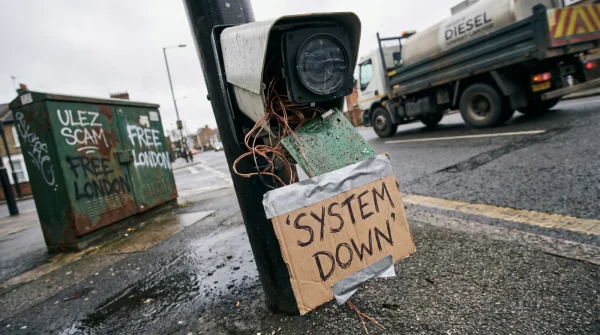
You know the exact feeling of that momentary digital dread. You are sitting at the kitchen table, nursing a slightly bitter cup of builder’s tea while the morning rain hammers against the glass. You open your high street banking app, type in the sort code for your preferred digital exchange, and tap transfer.
Instead of the satisfying green tick, the screen stutters and stalls. A stark red banner appears. Your transaction has been blocked, flagged for your protection, leaving your own money trapped behind a velvet rope manned by an invisible algorithm.
For years, this has been the quiet, paternalistic reality of managing your own finances in the United Kingdom. Traditional institutions built a silent wall around your deposits, deciding that the volatile realm of digital assets was simply too sharp an instrument for you to handle.
But the ground beneath those institutions just shifted without warning. The Financial Conduct Authority has quietly stripped away that artificial barrier, fundamentally rewriting the rules of engagement between your monthly salary and your private digital ledger.
The Bouncer Loses His Clipboard
Think of your current account like a tightly managed reservoir. For a decade, banks acted as the solitary lock-keepers, opening the gates for mortgages, groceries, and premium bonds, but immediately jamming the gears shut the moment you pointed your funds toward an offshore ledger. They cited fraud. They cited volatility.
In reality, they were quietly fencing in their own deposits. The new FCA mandate flips this dynamic entirely on its head. The regulator has issued a blunt directive: a bank can no longer use blanket risk assumptions to veto your legal spending choices.
The flaw in the old system was obvious. Treating every transfer as a potential scam eroded the basic concept of ownership. Now, that same mundane detail—hitting send on a Tuesday morning—has become a potent assertion of your financial autonomy. The institution must prove actual fraud, rather than leaning on a lazy prejudice against the blockchain.
Consider the daily reality of Martin, a 47-year-old forensic accountant operating out of a small office in Bristol. For the better part of five years, Martin watched high street giants systematically block his clients from moving £200 into established exchanges, whilst happily waving through large transactions to offshore betting syndicates. When the FCA consulted on the new framework, professionals like Martin pointed out that protecting the consumer had slowly morphed into financial captivity. The regulator listened. The resulting mandate is entirely about restoring the basic mechanics of consent.
Adjustment Layers for the Modern Ledger
The reality of this ruling hits different ledgers in distinctly different ways. You must understand how your own transaction habits fit into this new regulatory landscape.
- Top chefs never keep olive oil next to the cooker-here is why it ruins your food
- Dermatologists over 50 use this damp-skin trick to double retinol absorption overnight
- Why upgrading your front door lock could secretly void your home insurance policy
- The five-minute washing machine fix that completely stops damp-smelling clothes
For the Cautious Accumulator
If you are simply looking to funnel fifty pounds a month into a cold wallet, your friction drops to zero. Previously, regular micro-transactions were notorious for triggering automated security freezes, leaving you locked out of your groceries while you waited on hold with a call centre in Halifax.
Now, these recurring transfers flow like tap water. The banks are required to differentiate between a known, verified exchange and a genuine phishing attempt, meaning your quiet accumulation strategy no longer rings alarm bells.
For the Algorithmic Trader
Moving larger blocks of capital out of a traditional savings account used to require a humiliating phone call, where you effectively had to beg a junior clerk to release your funds. Under the new FCA guidelines, the burden of proof sits with the institution.
They must facilitate the clearing process unless they possess specific evidence of a targeted scam. You are no longer treated as a suspect in your own wealth management strategy.
Setting Your New Clearing Corridors
This sudden removal of friction demands a slightly sharper focus on your end. Without the bank playing the role of an overzealous chaperone, the safety of your transfers relies entirely on your own internal systems.
Approach your digital wealth with deliberate, physical steps. Build a sterile transfer environment, treating the movement of capital with the quiet respect you would give to walking across an icy pavement.
- Establish a specific bridge: Do not transfer directly from your primary salary account. Route your funds through an isolated current account dedicated solely to your digital assets.
- Whitelisting is mandatory: Manually save the exchange’s specific account details into your payee list and run a £1 test transaction. Verify the receipt before sending the remaining balance.
- Document the audit trail: Keep physical screenshots of your deposit addresses. If a bank does illegally pause your transfer, having the exact timestamps and matching addresses forces them to lift the restriction immediately under the new FCA timeframe.
- Know the new limits: While blanket bans are outlawed, banks can still impose rolling 24-hour limits. Verify your daily ceiling to avoid administrative delays.
Autonomy Beyond the Algorithm
Stepping back from the mechanics of moving digital coins, this regulatory pivot touches a much deeper nerve. It represents a rare moment where a sprawling bureaucracy actually handed you back the keys to your own house.
For too long, the digital economy felt like a walled garden built by algorithms. You were allowed to look at the flowers, but the moment you tried to plant your own seeds, the system slapped your hand away.
Mastering this new freedom brings a profound sense of quiet relief. You no longer have to second-guess whether your bank will arbitrarily freeze your life because you decided to buy a fraction of a digital token. It is the simple, powerful comfort of knowing that when you press a button, the machinery works. Your money moves because it is yours.
“The true measure of consumer protection is not found in locking the vault, but in trusting the account holder with the combination.”
| Key Point | Detail | Added Value for the Reader |
|---|---|---|
| Blanket Bans Outlawed | Banks cannot use generic risk algorithms to block transfers to regulated exchanges. | Ends the anxiety of unexpected account freezes during routine purchases. |
| Burden of Proof Shifted | Institutions must provide evidence of specific, targeted fraud to halt a payment. | Restores your control over large-volume wealth management decisions. |
| Standardised Clearing | Whitelisted exchanges are now treated identically to standard domestic payees. | Allows for seamless, automated monthly deposits without manual intervention. |
Frequently Asked Questions
Can my bank still limit how much I send to an exchange?
Yes. While they cannot block the transfer type entirely, many high street institutions still apply rolling 24-hour limits on all outbound capital to manage liquidity.What should I do if my payment is still declined?
Immediately request the specific fraud evidence from the fraud team. Under the new rules, citing ‘general crypto risk’ is no longer a compliant reason for a block.Does this apply to all digital asset platforms?
The protection applies to transfers sent to exchanges that comply with UK anti-money laundering regulations. Unregistered offshore platforms may still be restricted.Will my credit score be impacted by these transfers?
No. Moving your own capital from a current account to a digital ledger is entirely disconnected from your credit file and borrowing ability.Is it safer to use a dedicated current account?
Absolutely. Isolating your digital asset transfers into a separate ‘bridge’ account keeps your primary mortgage and utility direct debits entirely insulated from any temporary security flags.