You pull the wet bundle from the drum, expecting that crisp, alpine freshness promised by the expensive detergent bottle. Instead, a heavy, sour scent hits the air—something akin to a wet dog trapped in a damp cellar. It is maddening. You likely double the fabric conditioner, dial up the temperature to a blistering 60 degrees, and run the cycle again, hoping sheer heat will burn the odour away.
We have all stood in front of the kitchen counter, calculating the pounds spent on scent boosters, soda crystals, and boutique biological powders. The frustration lies in the repetition; you **throw good money after bad**, convinced that the cotton itself is holding onto the odour, or perhaps the machine simply requires a chemical drum cleaner to strip away the unseen grime.
But the reality of domestic engineering is far less romantic and infinitely more practical. The scent is not clinging stubbornly to your shirts; it is being actively painted onto them during the final spin. The culprit is not a lack of soap, but a hidden reservoir of decaying matter sitting quietly behind a plastic flap near your skirting board.
The Myth of the Boiling Wash
Think of your washing machine not as a magical cleaning box, but as a circulatory system. When you add more detergent to combat a damp smell, you are essentially trying to brew fine tea in an unwashed mug. The water might be hot, the leaves might be premium, but the vessel itself **taints the entire batch**, rendering your efforts completely useless from the moment the cycle begins.
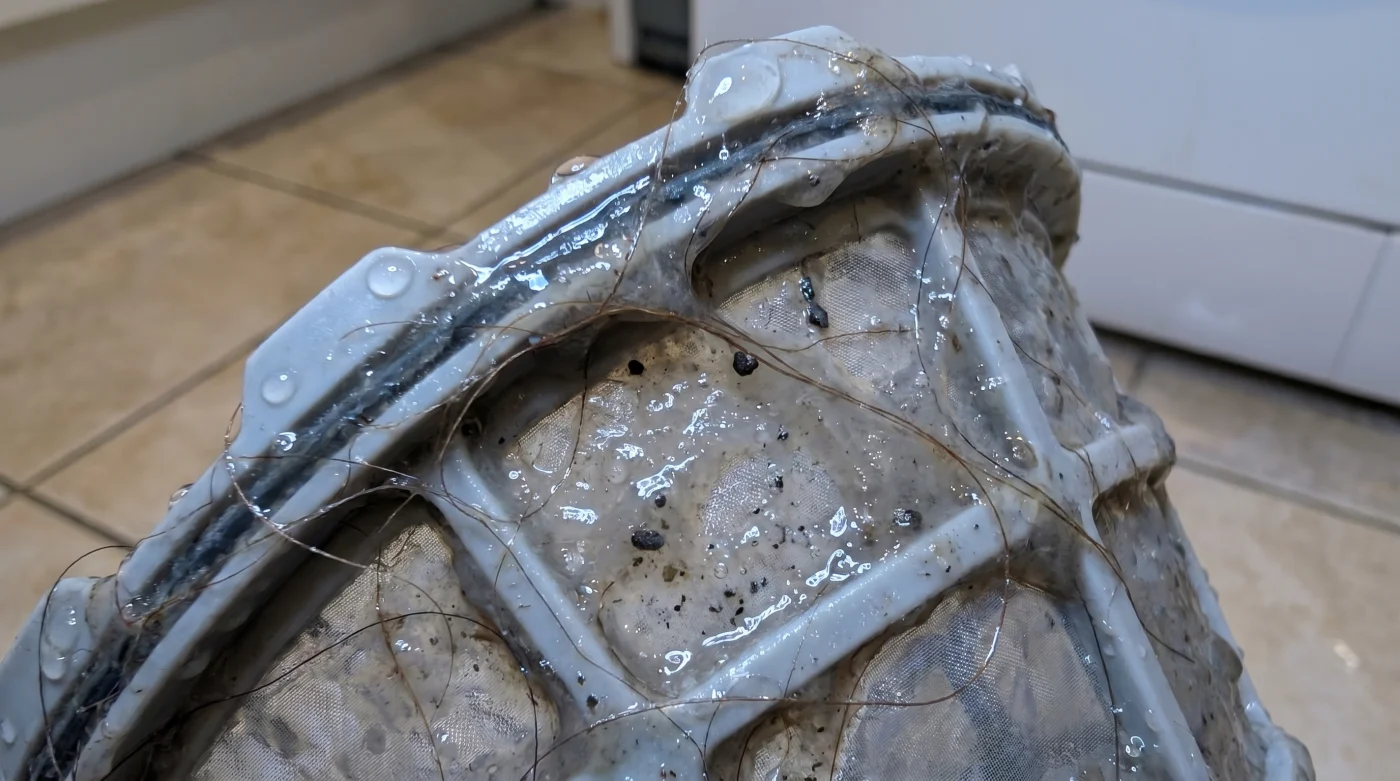
For decades, the domestic routine has dictated a simple equation: dirty clothes plus hot water and chemicals equals clean laundry. Yet, this completely ignores the appliance’s anatomy. Every ounce of water that leaves your machine—carrying away sweat, soil, and shed skin cells—passes through the drain pump filter. When this mechanism catches a rogue tuppence, a clump of dog hair, or a forgotten tissue, it creates a stagnant swamp.
This miniature swamp breeds bacteria, thriving in the dark, warm dampness at the bottom of the casing. As your freshly rinsed clothes spin, the expelled water drags across this stagnant pool, coating your entire load in an **invisible, foul-smelling film**. The five minutes it takes to clear this physical trap replaces hours of pointless, expensive re-washing.
Arthur Pendelton, a 58-year-old independent appliance repair technician from Leeds, sees this specific despair daily. “I get called out at least four times a week for machines that supposedly need replacing because they make the house smell like a canal,” he notes, kneeling to pop open the bottom-right panel of a standard front-loader. “People spend thirty quid a month on chemical cleaners when all I do is twist a plastic cap, pull out three month’s worth of lint and a stray hair grip, and the machine breathes again. It is always the filter.”
Reading the Appliance
Not all laundry habits create the same kind of blockage. Understanding your specific household rhythm helps you **predict exactly what lurks** behind that plastic door, allowing you to intercept the problem before the smell creeps into your bath towels.
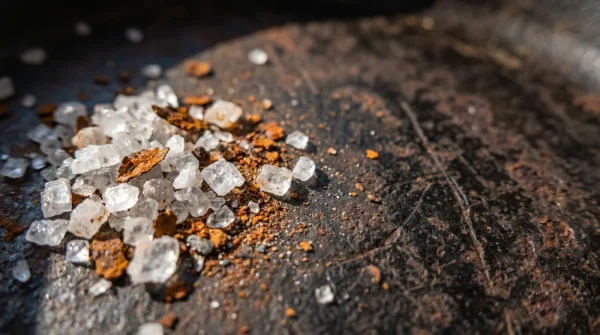
For the Cold-Water Loyalist: If you strictly wash at 30 degrees to save energy and protect delicate fabrics, you are inadvertently creating a haven for soap scum. Biological detergents do not fully dissolve in lukewarm water, forming a grey, clay-like sludge that coats the plastic filter housing. Your fix requires a splash of hot water poured directly into the trap housing to melt the residue.
For the Pet-Owning Household: Those living with retrievers, collies, or long-haired cats face a purely mechanical blockade. Wet fur binds with lint to create a felt-like plug. For you, this is not about soap scum; it is about **extracting the matted barrier** before the water starts backing up into the drum and flooding the motor.
For the Outdoor Worker: If your clothes carry the grit of building sites or muddy weekend hikes, your filter is likely harbouring sand and small stones. These heavy particles sink to the bottom of the trap, grinding against the pump impeller and trapping organic matter, which slowly decays miles away from the freshness you expected.
The Five-Minute Extraction Protocol
Approach this task methodically. There will be water, and there will likely be a brief, unpleasant smell. Prepare your space before opening the valve to **manage the inevitable spill** and protect your flooring.
Gather your materials. You do not need specialist tools, just a few household items to catch the stagnant runoff.
- Place an old, thick towel flat against the skirting board directly under the filter flap (usually located at the bottom right of the machine face).
- Slide a shallow baking tray or an old takeaway container under the dial to catch the residual grey water.
- Locate the emergency drain hose (a small rubber tube next to the main dial). Unplug it and let the stagnant water bleed into your container first.
- Once drained, grip the main circular filter dial and twist slowly anti-clockwise. Pull it straight out.
- Take the filter to the sink, scrub it with an old toothbrush under hot water, and physically wipe the dark cavity inside the machine with a damp cloth.
- Replace the filter, turning clockwise until it locks firmly. Failure to tighten will result in a flooded kitchen floor.
The Tactical Toolkit: Perform this routine every six weeks for a family of four, or every three months for a couple. Use a stiff-bristled toothbrush to dislodge calcified powder. You know the job is done correctly when the water draining from the rubber tube is **running clear, not cloudy**.
Reclaiming the Domestic Rhythm
There is a distinct satisfaction in bypassing a perceived domestic crisis with a purely mechanical fix. We are frequently sold the idea that complex problems require expensive, chemical solutions. The damp smell on your favourite jumper feels like a failure of cleanliness, a stubborn stain on your daily routine.
By pulling back that plastic flap and engaging with the machine’s anatomy, you step out of the consumer cycle. You stop masking odours with artificial floral perfumes and start solving the **root cause of the friction** with your own hands.
It turns out, fresh laundry is not a product of hotter water, harsher chemicals, or longer cycles. It is simply the result of an unobstructed path. A clear filter means clear water, letting your clothes finally breathe exactly as they were meant to.
“A washing machine is a water manager first and a cleaner second; if the exit is blocked, everything inside is swimming in a puddle of its own history.”
| Action | Immediate Result | Long-Term Value for You |
|---|---|---|
| Adding more detergent | Masks the smell temporarily with heavy perfume. | Costs money and clogs the internal pipes with undissolved soap sludge. |
| Running a 90-degree boil wash | Kills surface bacteria floating in the drum. | Uses immense electricity but leaves the physical blockage rotting in the filter. |
| Clearing the pump filter | Instantly removes the decaying bacteria source. | Restores laundry freshness permanently for zero cost. |
Frequently Asked Questions
Why do my clothes smell worse after drying indoors?
Without the sun’s ultraviolet rays or swift wind to evaporate moisture quickly, the latent bacteria dragged from the dirty filter multiply rapidly in damp room-temperature conditions.Can a blocked filter damage the actual washing machine?
Yes. If the pump has to force water through a solid wall of lint and hair, the motor can burn out, turning a five-minute fix into a costly repair bill.What if the filter dial is completely stuck and won’t turn?
Do not force it with pliers. Limescale or a trapped coin may have jammed the threads. Pour warm water and white vinegar into the drum, wait an hour to dissolve the scale, and try again gently.Is it normal for water to pour out when I open it?
Absolutely. The filter sits below the water line of the drum. Always use the emergency drain tube first, and have towels ready for the remaining pint of water in the housing.Do I still need to use washing machine drum cleaners?
Once the physical trap is clear, running a hot, empty cycle with soda crystals every few months is sufficient to keep the internal pipes clear of minor grease.